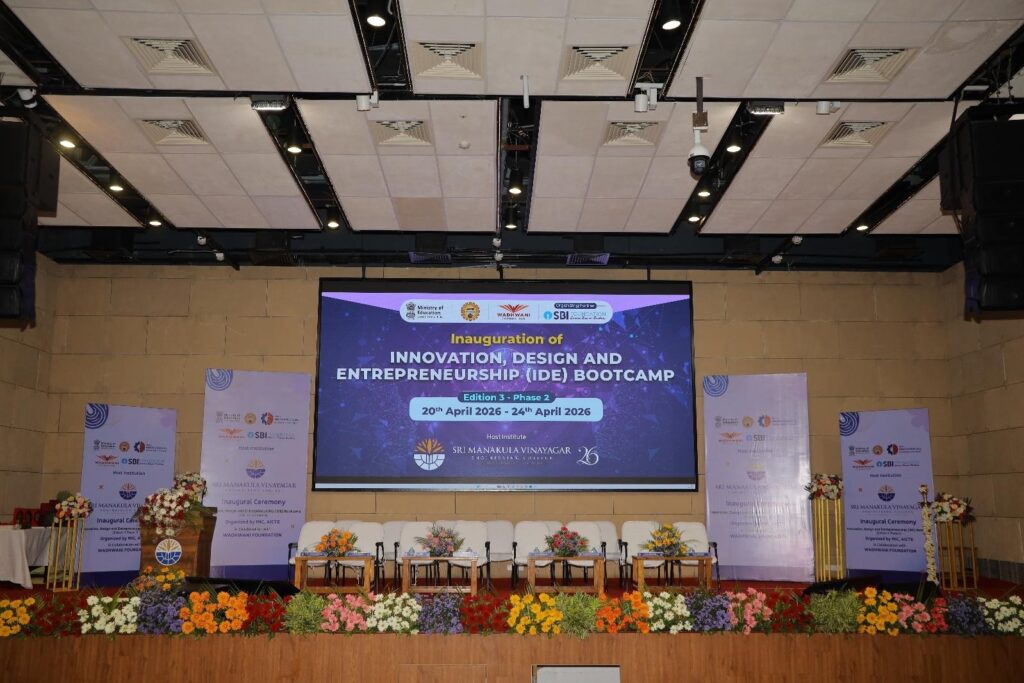
The IDE Bootcamp 2026, organised at Sri Manakula Vinayagar Engineering College, was a dynamic and immersive five-day program designed to nurture innovation, entrepreneurial thinking, and practical start-up skills among participants. From foundational design thinking to pitching investor-ready ideas, the Bootcamp provided a structured pathway for aspiring entrepreneurs.
Day 1: Building the Foundation
Registration & Participant On boarding
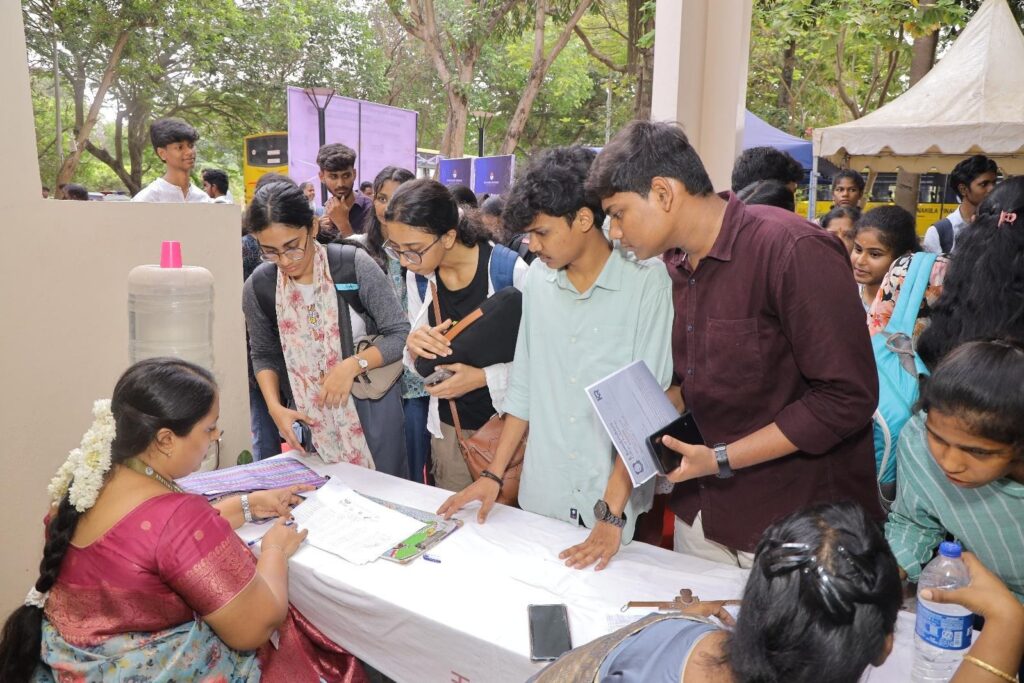
The Bootcamp commenced with participant registration and reporting at SMVEC. This initial phase ensured a smooth on boarding experience, allowing attendees to familiarize themselves with the schedule, venue, and fellow participants.
Inaugural Opening Segment
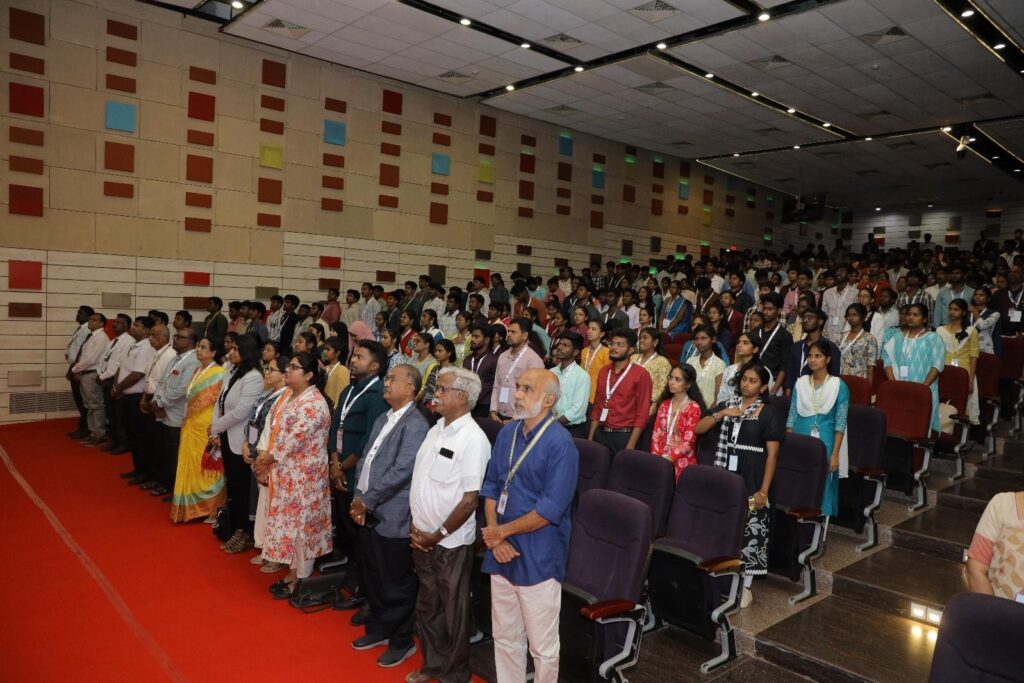
The ceremony commenced with Tamizhthai Vazhthu, followed by the SMVEC Anthem, fostering cultural pride, unity, and a sense of belonging among participants. This was followed by an engaging AV presentation that highlighted the institution’s achievements and provided an overview of the boot camp’s vision and objectives.
Lighting of the Kuthuvilakku
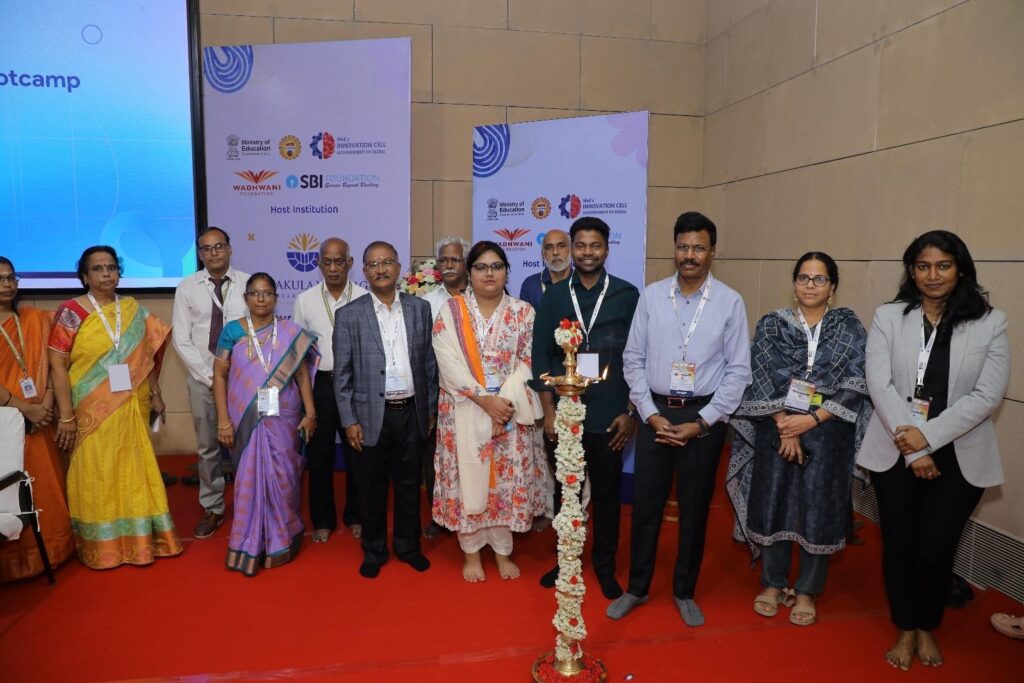
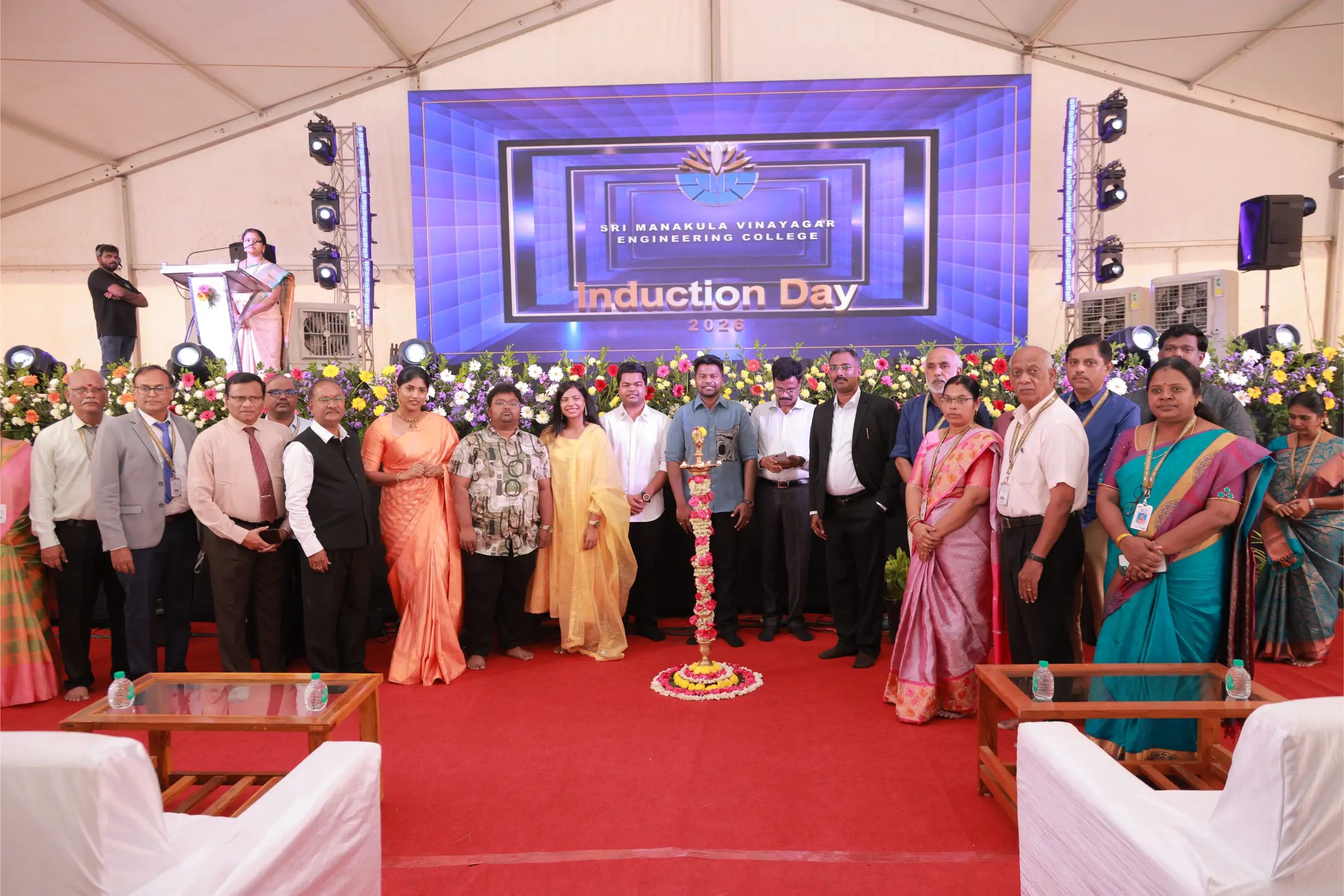
The ceremonial lighting of the Kuthuvilakku marked the formal inauguration of the Bootcamp. This traditional ritual symbolized the dispelling of darkness and the beginning of knowledge, wisdom, and innovation. Dignitaries on the dais participated in this auspicious ceremony, signifying their support and encouragement for the initiative. The moment added a sense of cultural richness and significance to the event.
Welcome Address
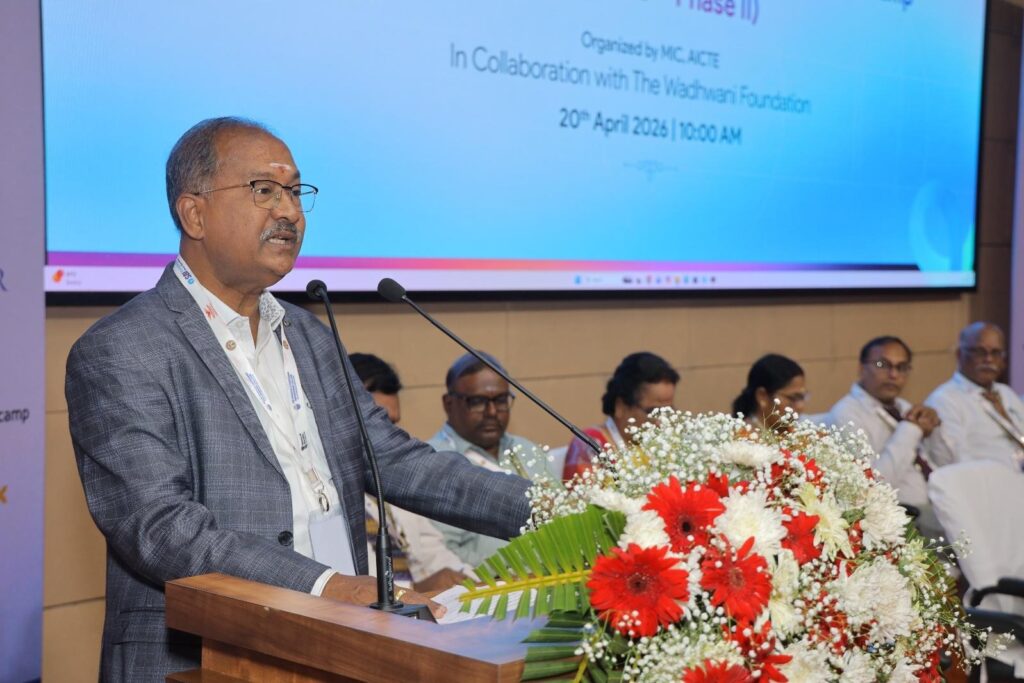
The Welcome Address was delivered by Dr. V. S. K. Venkatachalapathy, Director cum Principal, SMVEC, who warmly welcomed all dignitaries, faculty members, and student participants to the IDE Bootcamp. He emphasized the importance of innovation in transforming ideas into impactful products and encouraged students to utilize their skills to solve real-world problems. He highlighted the institution’s strong infrastructure, including the Idea Lab and Centres of Excellence, and motivated participants to actively engage in the Bootcamp and make the most of the learning experience.
Felicitation of Dignitaries
The dignitaries present on the dais were honored as a mark of respect and appreciation for their valuable presence and contributions. The felicitation ceremony reflected the institution’s gratitude and recognition of their support.
Address to the Gathering
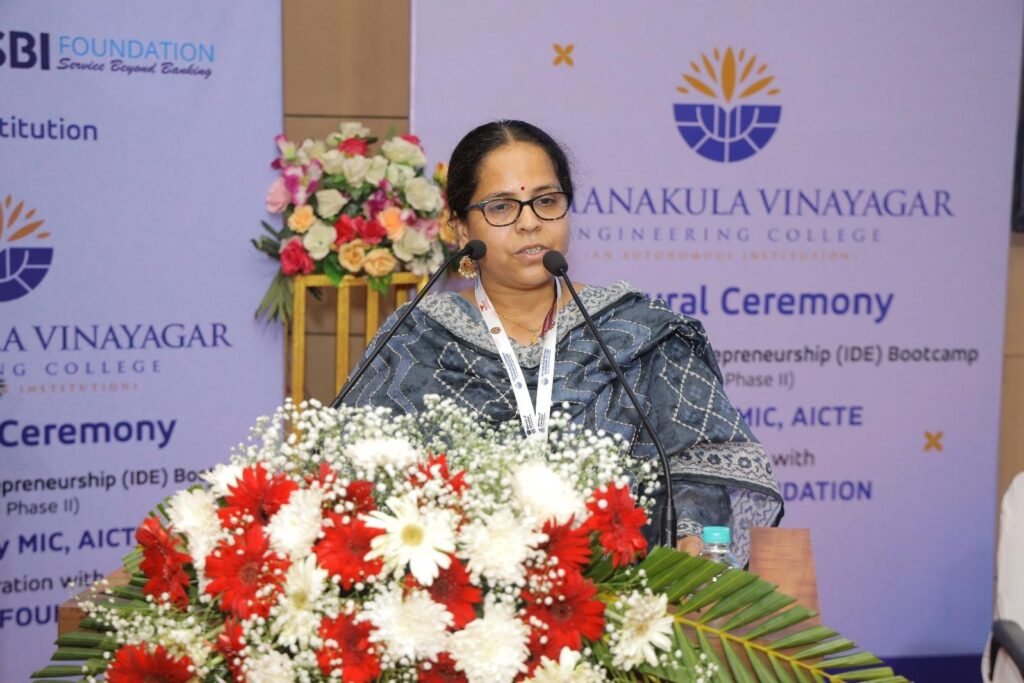
The session was delivered byMs. Selvarani Selvakumar, Innovation Officer, MoE Innovation Cell, AICTE, who addressed the gathering and emphasized the importance of innovation and entrepreneurship in solving real-world problems. She highlighted that innovation is essential in today’s fast-changing world and plays a key role in shaping how we live, work, and learn. She also encouraged participants to take calculated risks, collaborate with peers, and actively engage in the Bootcamp to refine their ideas. The session guided students on moving from ideation to execution, inspiring them to transform their ideas into impactful and practical solutions.
Felicitation Address
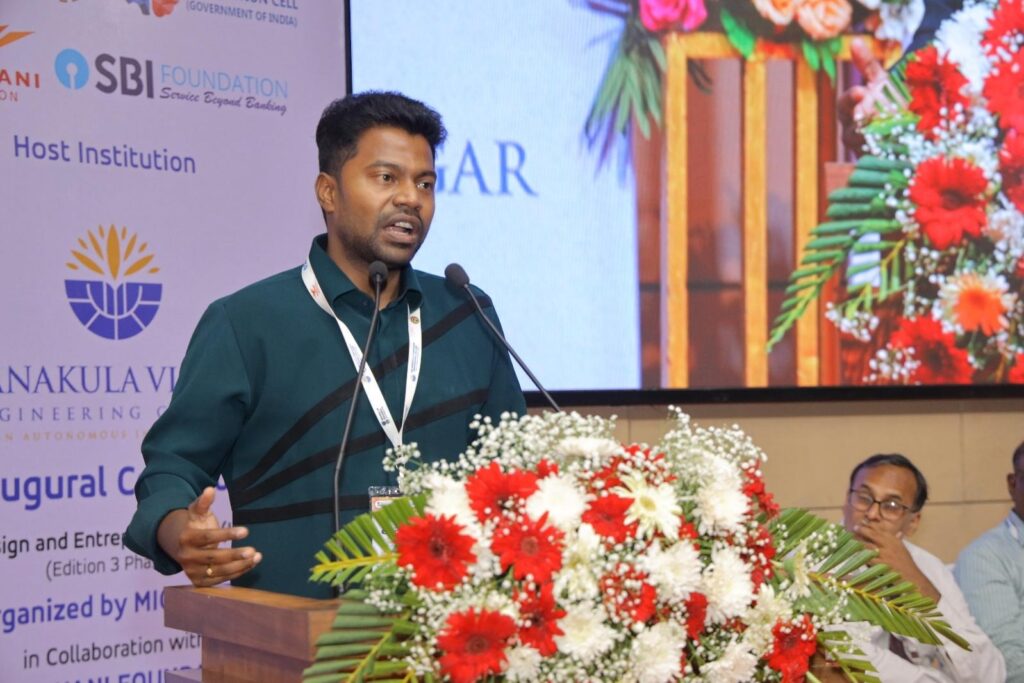
The Felicitation Address was delivered byD. Rajarajan, Treasurer – SMVE Trust, who emphasized that entrepreneurship is about solving real-world problems and creating value for society. He encouraged students to take initiative, start early, and learn through action rather than waiting for the perfect moment, while also highlighting the importance of speed, adaptability, and effective communication in today’s competitive world. His motivating words inspired participants to think creatively, build confidently, and develop impactful solutions.
Presidential Address
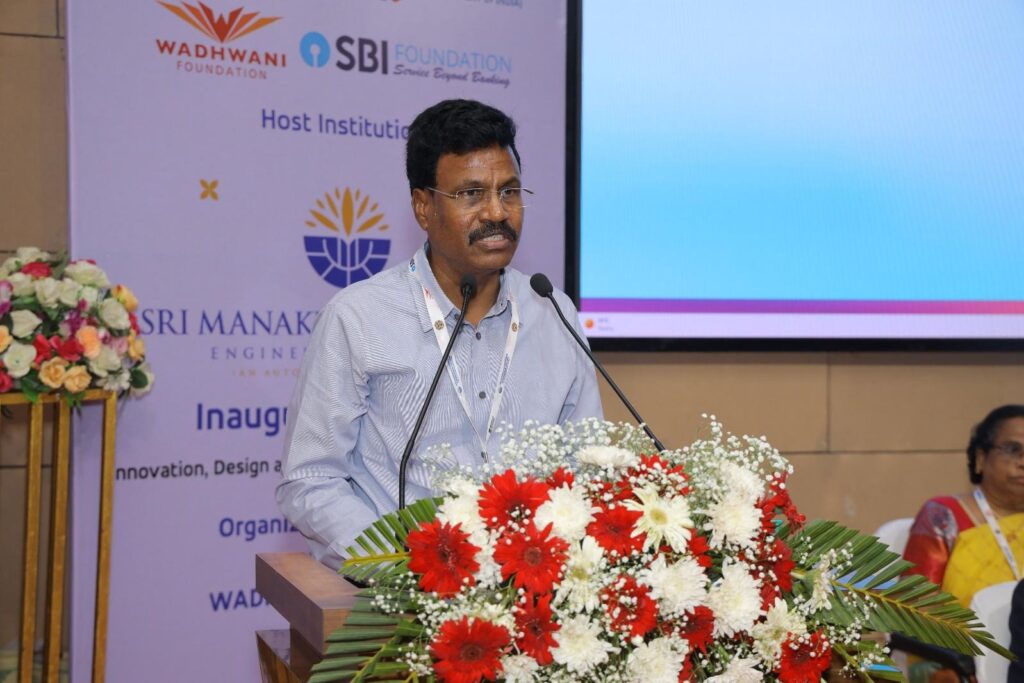
The Presidential Address was delivered by M. Dhanasekaran, Chairman and Managing Director, SMVEC. He emphasized that entrepreneurship starts with identifying real-life problems and creating meaningful solutions. He encouraged students to think independently and take initiative rather than waiting for opportunities. He also highlighted the importance of utilizing available resources and support systems for start-ups. His motivating words inspired participants to actively engage in the Bootcamp and work towards building impactful ventures.
Chief Guest Address
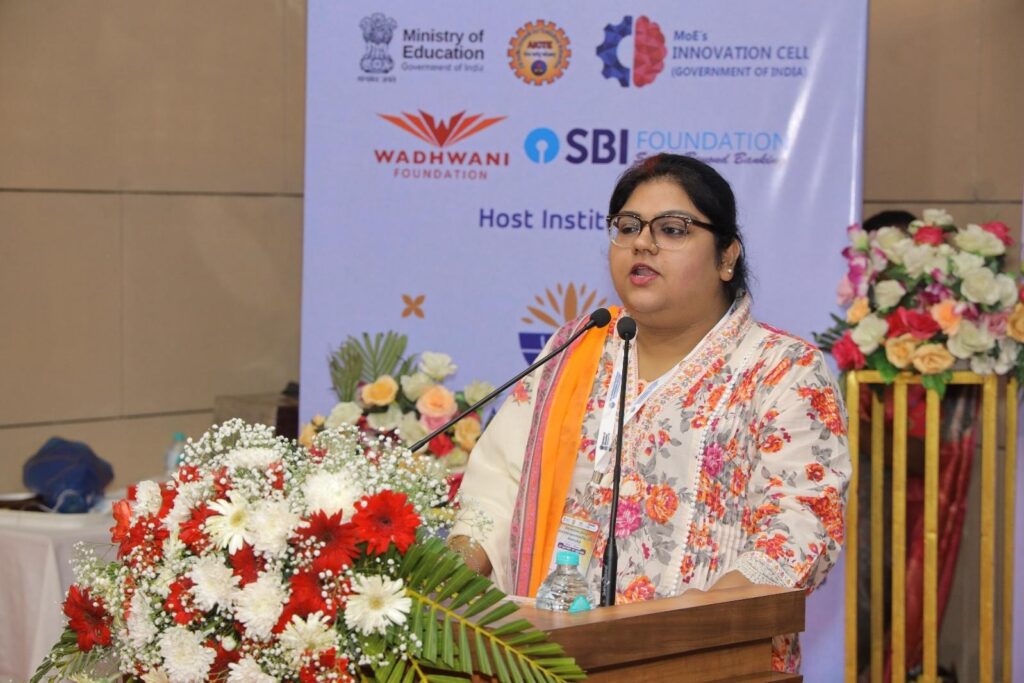
Ms. Preetika Sharma, Assistant Director, MSME-DFO, Nucleus Cell, delivered an insightful Chief Guest Address, warmly welcoming all dignitaries and students of MVEC. She emphasized the journey from idea to impact, highlighting that innovation, proper execution, and the right resources are key to transforming ideas into successful ventures. She explained the role of MSME as a bridge between ideas and real-world solutions, along with its significant contribution to India’s GDP and exports. She briefly outlined MSME registration through the Udyam portal and introduced key schemes like the MSME Innovation Scheme, Design and Incubation support, IPR benefits, PMEGP, and Mudra loans that provide financial assistance and guidance to aspiring entrepreneurs. She encouraged students to take training opportunities seriously and motivated them to turn their ideas into successful businesses.
Vote of Thanks
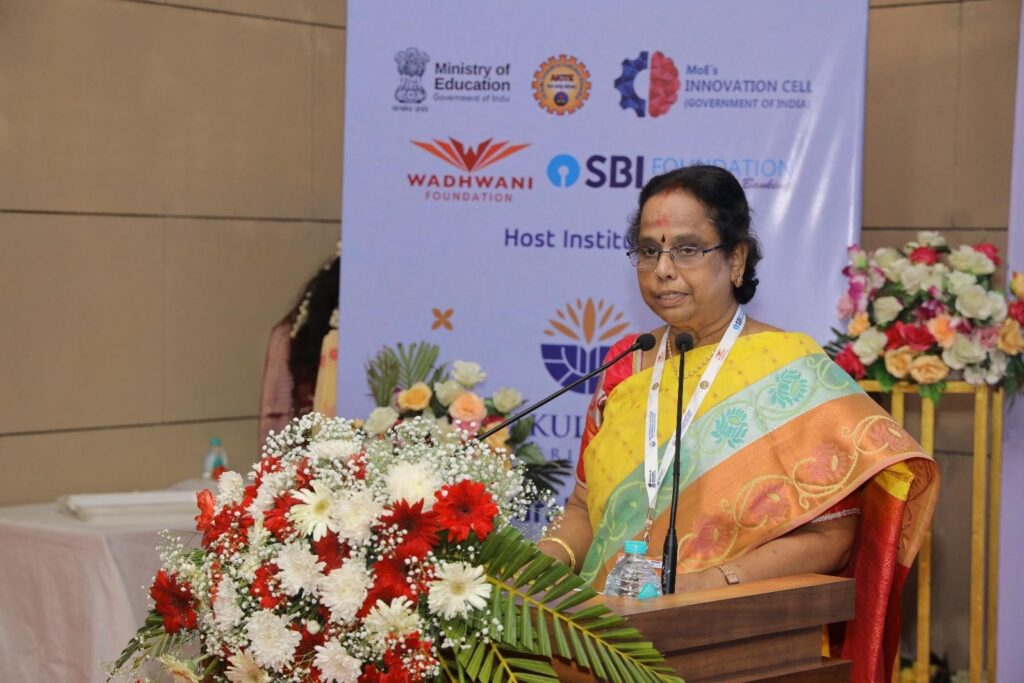
The Vote of Thanks was delivered by Dr. S. Anbumalar, Dean Academics, who expressed sincere gratitude to the Chief Guest, dignitaries, and all contributors for making the inaugural session a success. She also appreciated the efforts of the organizing team, faculty members, and participants for their active involvement and support.
Design Thinking Basics – Expert session 1
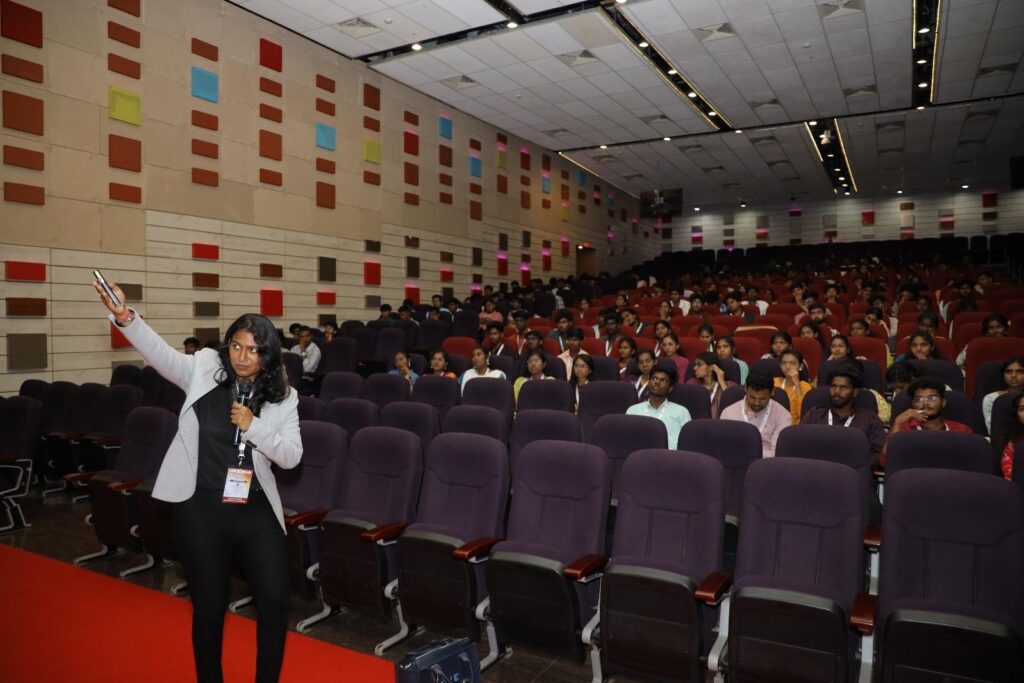
The session was delivered by Ms. M. Anbumathi, Wadhwani Master Trainer – Wadhwani Foundation, who introduced the fundamentals of design thinking with a strong focus on user-centric problem solving. She explained the key stages—empathize, define, ideate, prototype, and test—and highlighted the importance of creativity, experimentation, and continuous feedback. The session enabled participants to understand how to develop practical, innovative, and user-focused solutions.
From Idea to Impact: Building a Start-up Journey Powered by AI – Expert session 2
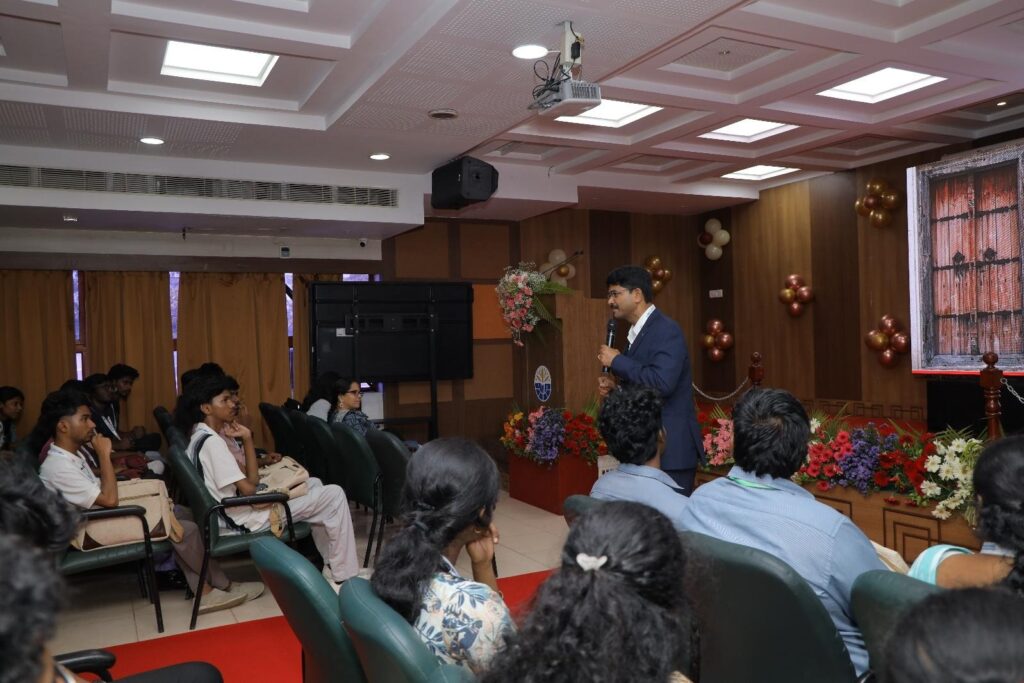
The session was delivered by Dr. C. R. Rene Robin, Wadhwani Master Trainer – Wadhwani Foundation, who provided insights on how AI can accelerate the start-up journey from idea to impact. He emphasized the importance of leveraging emerging technologies, validating ideas through data, and building scalable solutions. He also highlighted how AI tools can enhance productivity, improve decision-making, and help start-ups gain a competitive edge in the market. The session encouraged participants to adopt a problem-solving mind-set, continuously iterate their ideas, and utilize AI-driven approaches to transform innovative concepts into practical and impactful ventures.
Day 2: Understanding Customers & Strategy
Customer Discovery Lab – Expert session 3
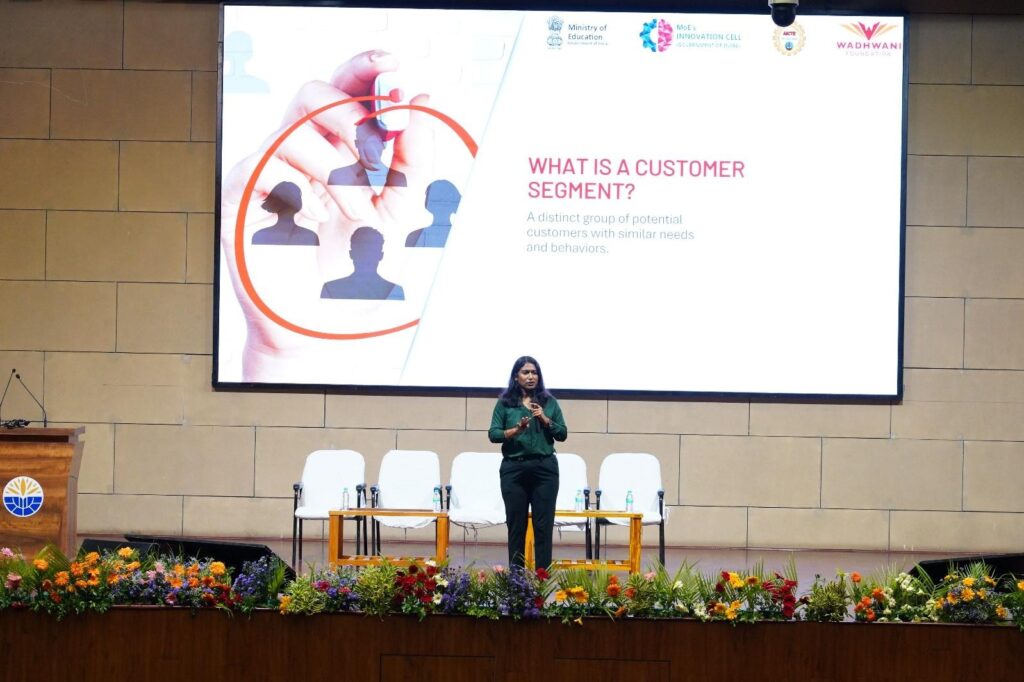
The session was delivered by Ms. M. Anbumathi, Wadhwani Master Trainer, Wadhwani Foundation, who guided participants in identifying target customer segments and understanding user needs. Participants created detailed customer personas by analysing behaviour, preferences, and pain points. The session emphasized the importance of validating assumptions through real interactions and feedback. Participants learned how to move beyond guesses and focus on evidence-based insights, ensuring their ideas are relevant and customer-focused.
Entrepreneurial Landscape & Start-up Panel Discussion – Expert session 4
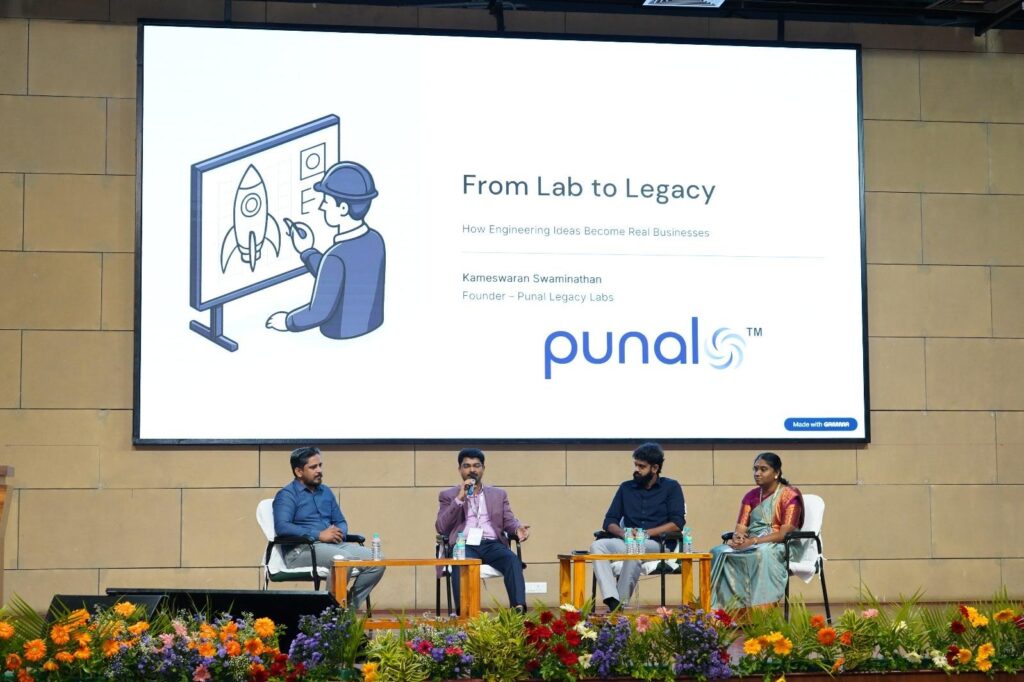
This session featured a panel of start-up founders and industry experts, who shared their entrepreneurial journeys, challenges, and success stories. They provided valuable insights into the start-up ecosystem, highlighting the importance of adaptability, resilience, and learning from failures. The discussion also covered real-time market trends, funding challenges, and scaling strategies. Participants gained clarity on the practical aspects of running a start-up and the mind-set required to succeed in a competitive environment.
Crafting Your Unique Value Proposition – Expert session 5
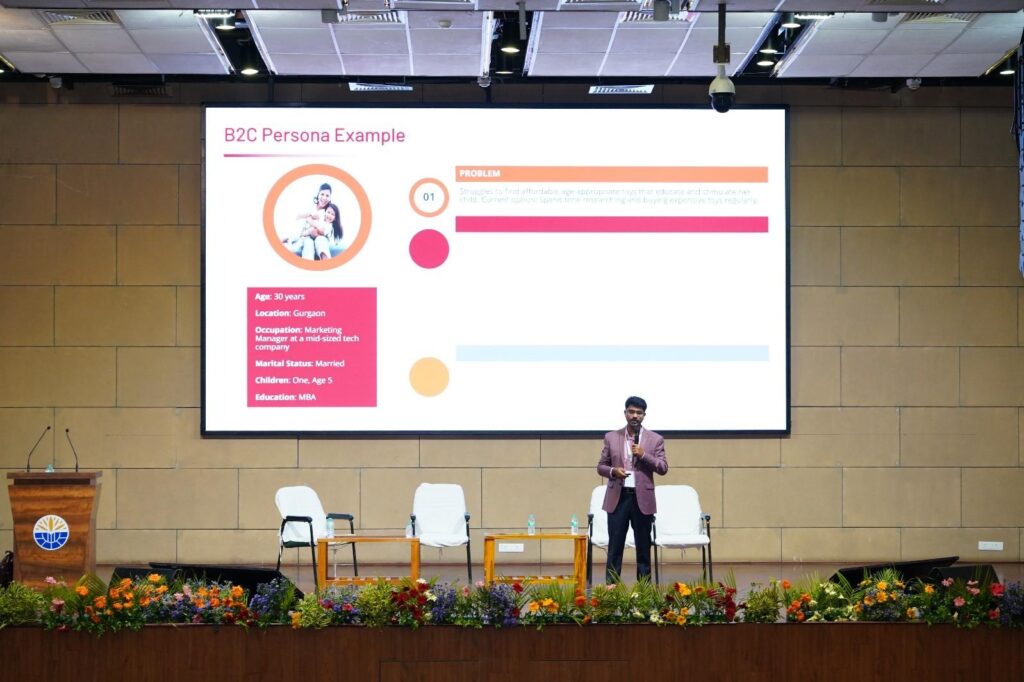
The session was delivered by Dr. C. R. Rene Robin, Wadhwani Master Trainer – Wadhwani Foundation, who explained how to define and communicate a strong value proposition. Participants learned to identify customer pain points, differentiate their ideas, and position their solutions effectively in the market. The session also focused on clearly articulating the benefits of a product or service and how it stands out from competitors. This helped participants refine their ideas into clear, compelling, and customer-centric propositions.
Mastering Your Business Model: Lean Canvas – Expert session 6
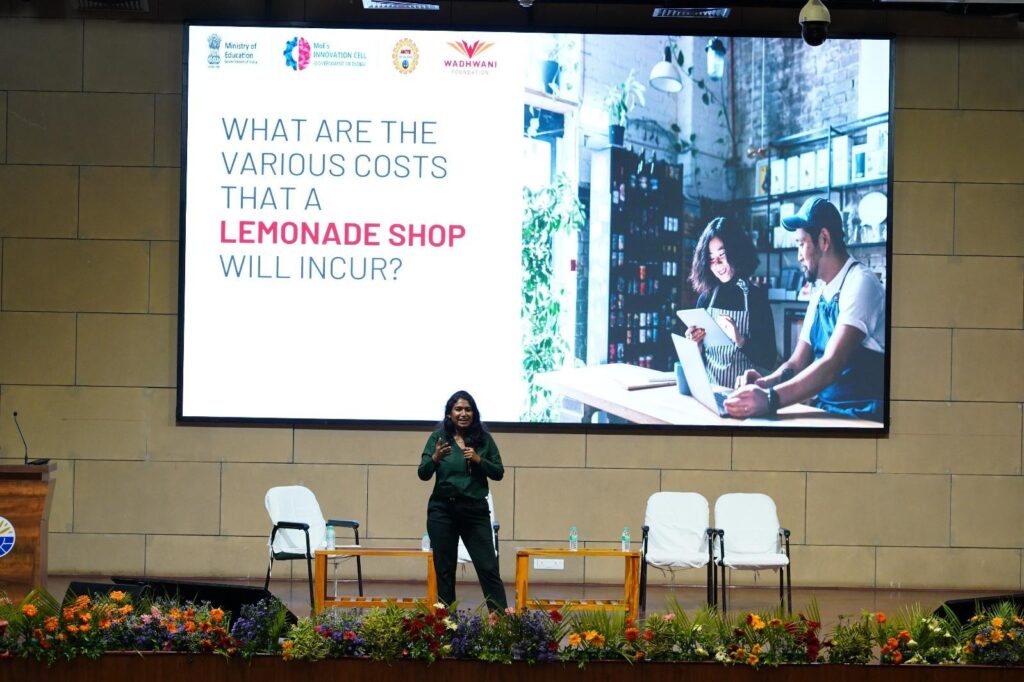
This session was handled by Ms. M. Anbumathi, Wadhwani Master Trainer – Wadhwani Foundation, who introduced the Lean Canvas framework. She guided participants in mapping key elements such as problem, solution, customer segments, revenue streams, and cost structure. Through hands-on activities, participants developed their own Lean Canvas models, gaining a structured understanding of their business ideas. The session encouraged iterative thinking, helping them continuously improve and adapt their models based on feedback and insights.
Day 3: From Concepts to Validation
Pitch Your Lean Canvas: An Interactive Feedback Session
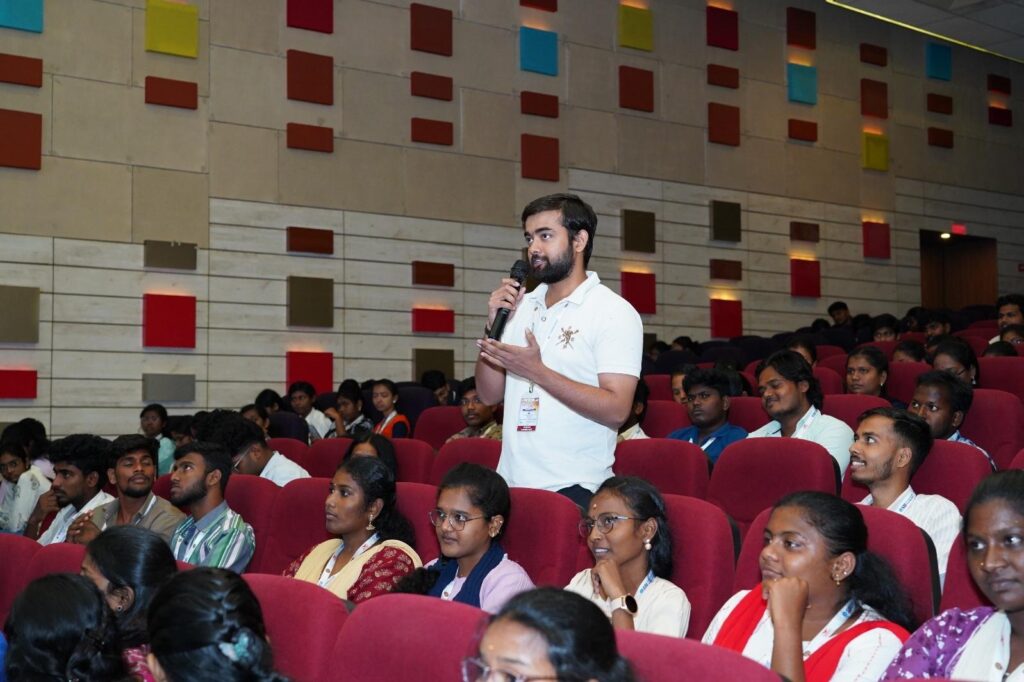
The session was facilitated by Wadhwani Master Trainers, where participants presented their Lean Canvas models developed in previous sessions. Each team explained their problem statement, solution, customer segments, and revenue model. The session focused on constructive feedback, enabling participants to refine their ideas based on expert suggestions and peer inputs. It helped them identify gaps, improve clarity, and strengthen their overall business approach through iterative learning.
Prototype to MVP: Transforming Validation into Actionable Insights
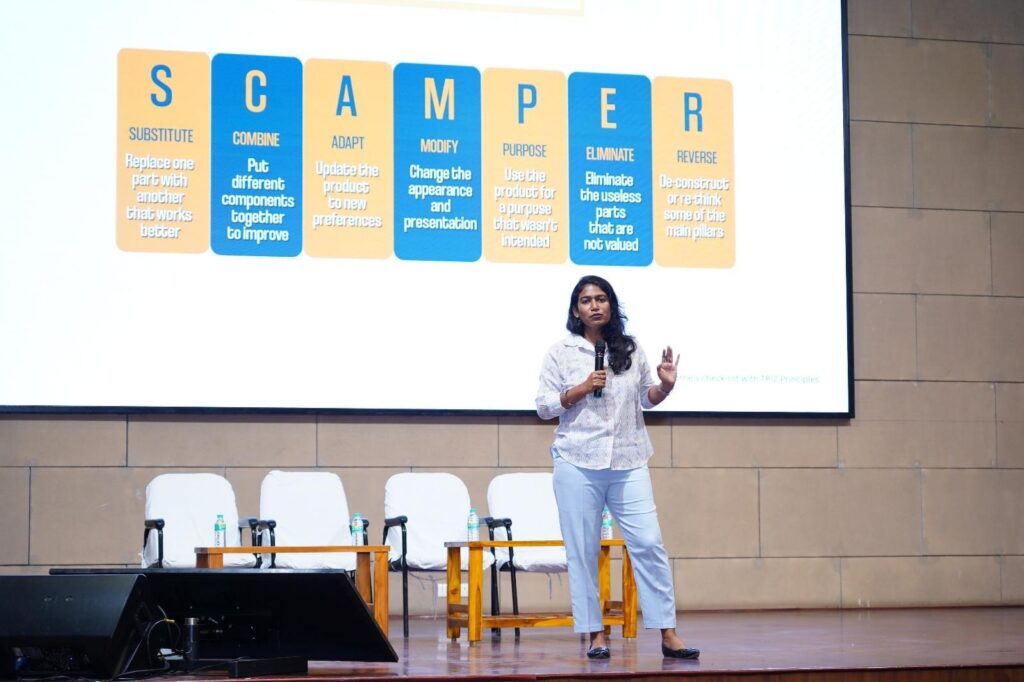
This session was handled by Ms. M. Anbumathi, Wadhwani Master Trainer – Wadhwani Foundation, who guided participants on converting validated ideas into Minimum Viable Products (MVPs). She explained the importance of building simple prototypes to test assumptions before full-scale development. Participants learned how to gather user feedback, iterate quickly, and improve their solutions based on real-world inputs. The session emphasized a practical approach to product development, reducing risk and ensuring better market fit.
Incubator Visit: Guided Tour and Interaction with Start-ups
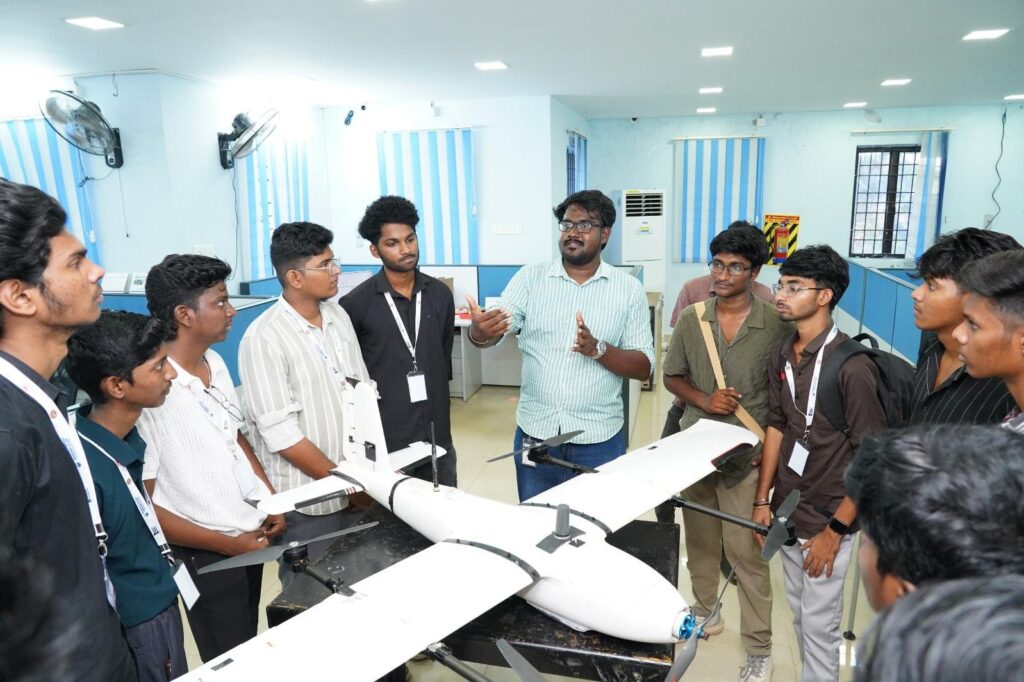
Participants were taken on a guided visit to an incubator facility, where they interacted with emerging start-ups and innovators. This session provided real-time exposure to the start-up ecosystem, including working environments, product development processes, and business operations. Entrepreneurs shared their experiences, challenges, and success stories, offering valuable insights into the journey of building a start-up. The visit inspired participants by showcasing how ideas can be transformed into successful ventures through dedication and innovation.
Batch-wise Interaction Sessions
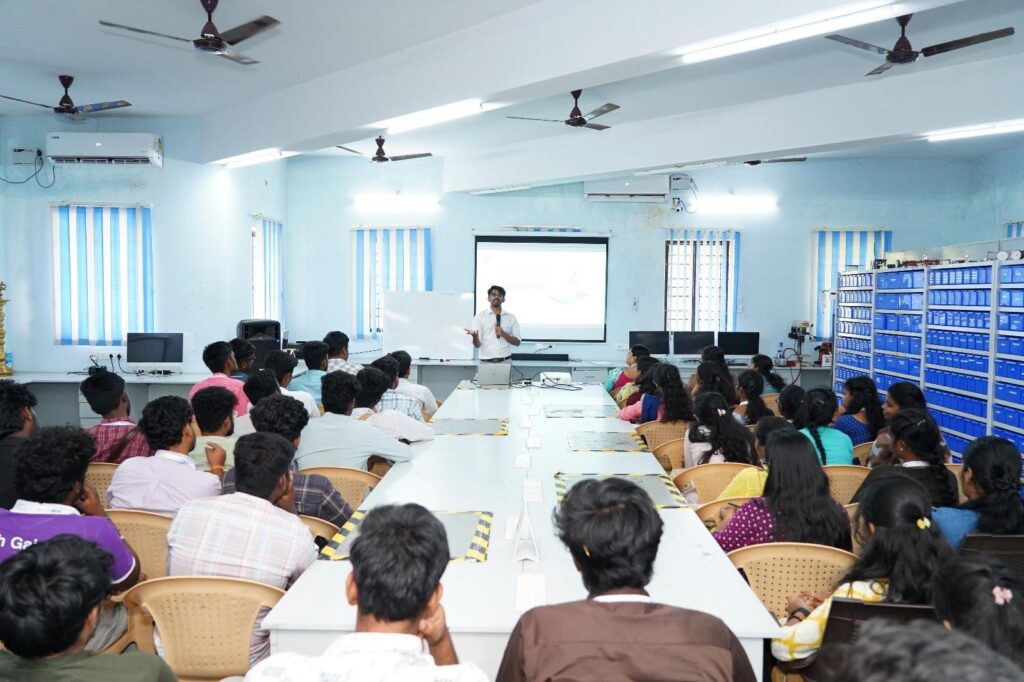
Participants were divided into batches for structured interactions during the incubator visit. Each batch engaged in focused discussions, allowing for better understanding and personalized learning experiences. These sessions enabled participants to ask questions, gain deeper insights, and build meaningful connections with start-up founders and mentors. It also encouraged collaboration and networking among participants.
Day 4: Product Development & Financial Planning
Introduction to Product Design and Development
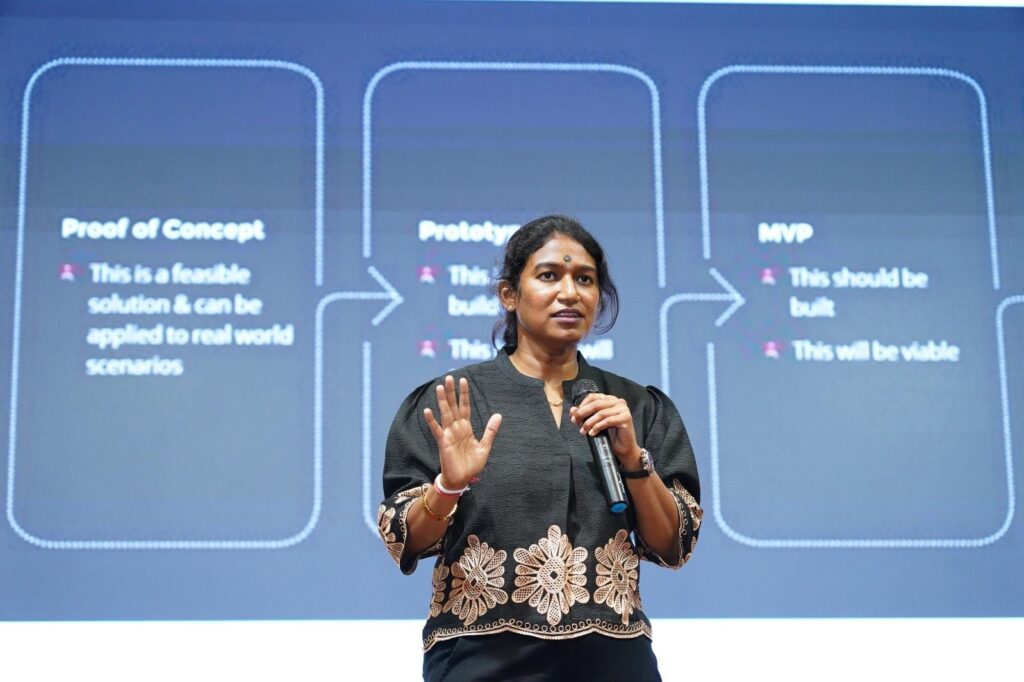
The session was delivered by Ms. M. Anbumathi, Wadhwani Master Trainer, Wadhwani Foundation, who introduced participants to the fundamentals of product design and development. She emphasized the importance of aligning product features with business goals and customer needs. Participants learned how to approach product development systematically, focusing on usability, functionality, and scalability. The session provided insights into transforming ideas into well-structured products that meet market demands.
Design to Delight: Crafting Products with User Experience and Ergonomics in Mind
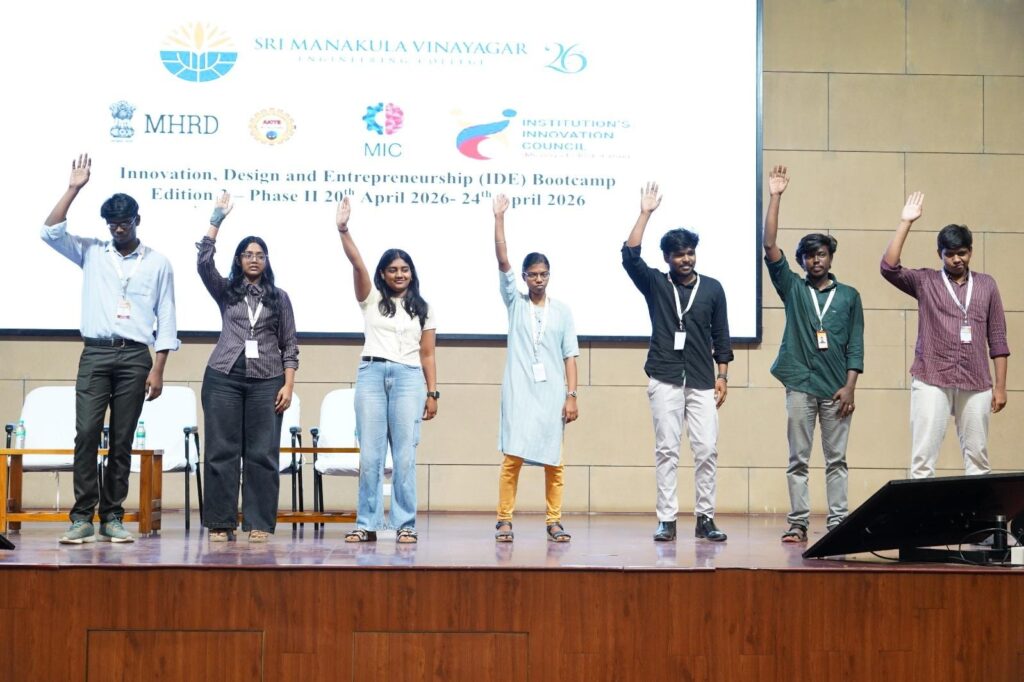
This session was carried out by the participants themselves as a hands-on activity, focusing on applying the concepts of user experience (UX) and ergonomics in product design. Students worked in teams to design solutions that are intuitive, user-friendly, and aligned with customer needs. The activity emphasized understanding user behaviour, improving accessibility, and creating functional yet engaging designs. Through this practical approach, participants gained valuable insights into how thoughtful design can enhance user satisfaction and create impactful products.
Working Session: Design and Present Your Product
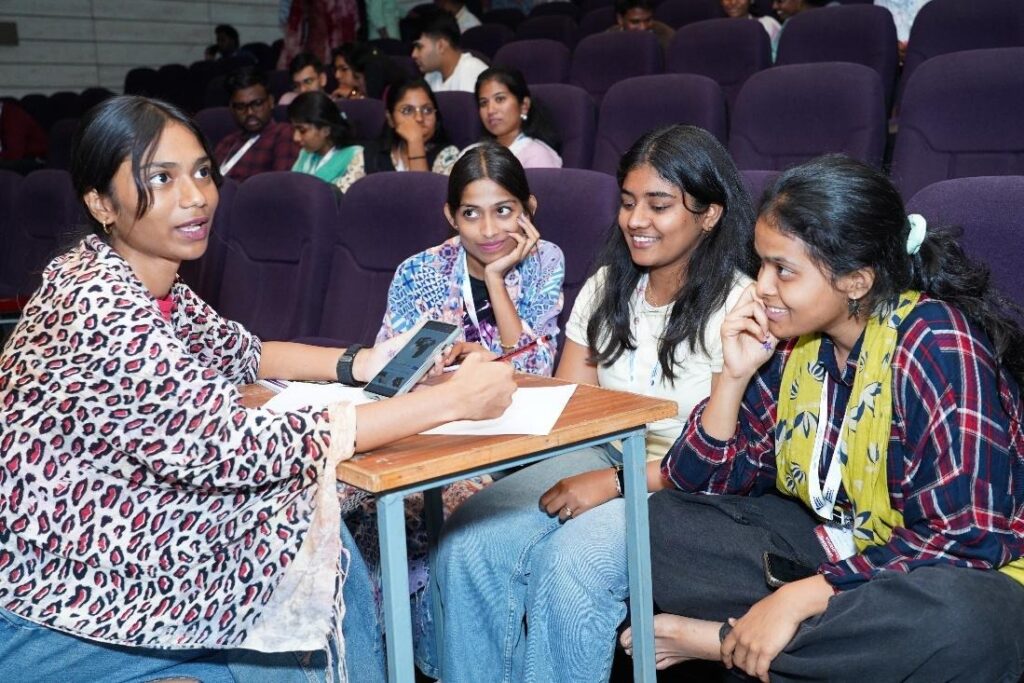
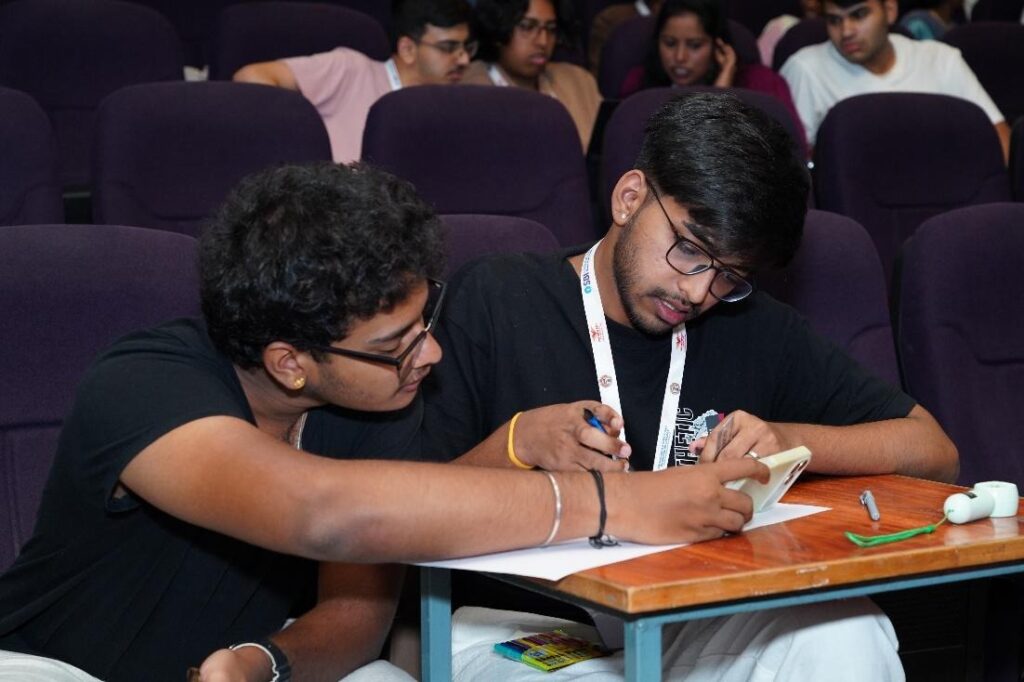
This interactive session was facilitated by Wadhwani Master Trainers, where participants worked on designing their own products based on the concepts learned. Teams collaborated to refine their ideas, develop prototypes, and prepare presentations. The session encouraged creativity, teamwork, and practical application of knowledge. Participants presented their product concepts and received feedback to further improve their designs and overall approach.
Q&A, Feedback & Takeaways
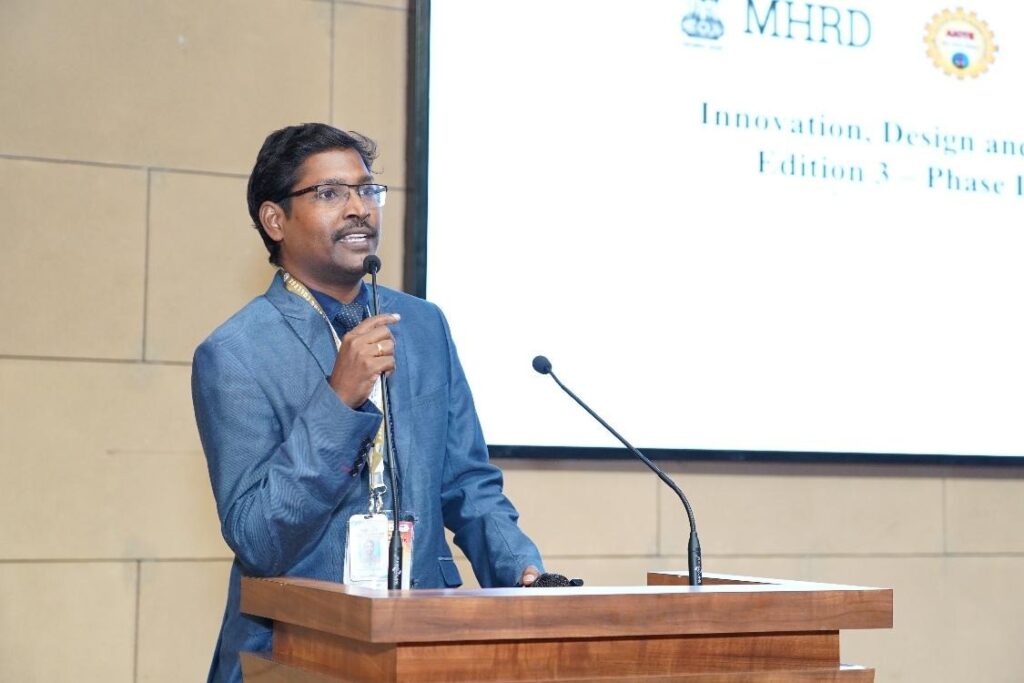
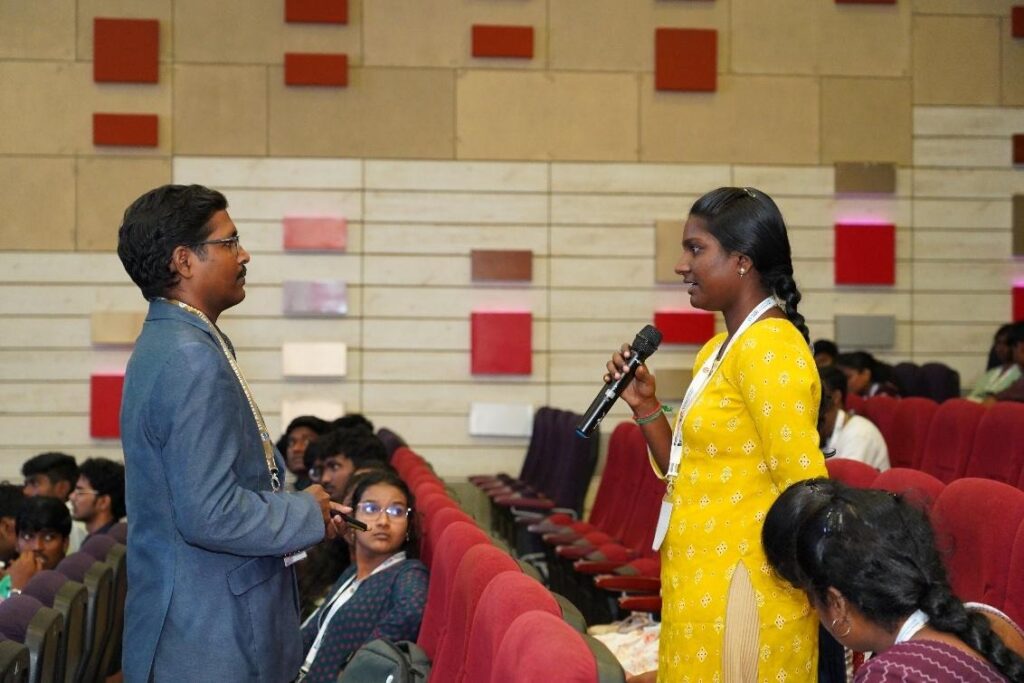
The session was conducted by the SMVEC Coordinator, who facilitated an interactive discussion with the participants. Students actively engaged by sharing their experiences, clarifying doubts, and reflecting on their learnings from the day. The coordinator provided valuable feedback and summarized key takeaways, helping participants gain clarity and direction for the final phase of the Bootcamp.
Day 5: Pitching & Closure
Unlocking Innovation: Commercialization, IP, and Funding for Student Start-ups
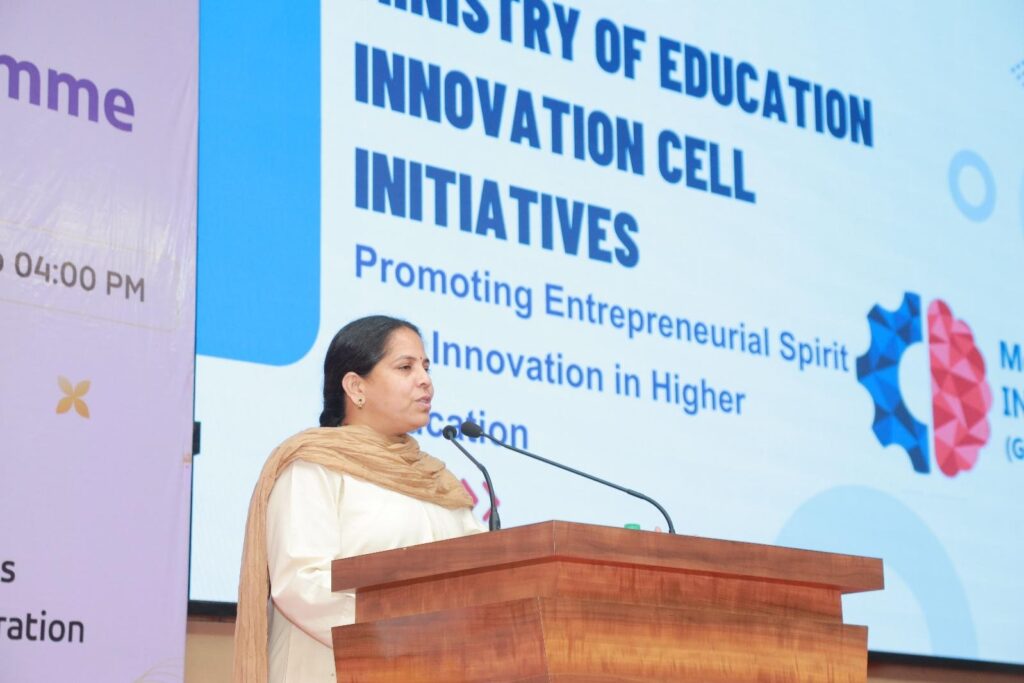
The session was delivered by Ms. Selvarani Selvakumar, Innovation Officer, MoE Innovation Cell – AICTE, who provided valuable insights into transforming innovative ideas into market-ready products. The session focused on the importance of commercialization, intellectual property (IP) rights, and various funding opportunities available for start-ups. Participants gained an understanding of how to protect their ideas through patents and trademarks, and explored different funding sources such as grants, investors, and government schemes. The session emphasized building sustainable ventures by strategically combining innovation with effective execution and planning.
Pitch Presentation Mastery: Assessments and Insightful Feedback
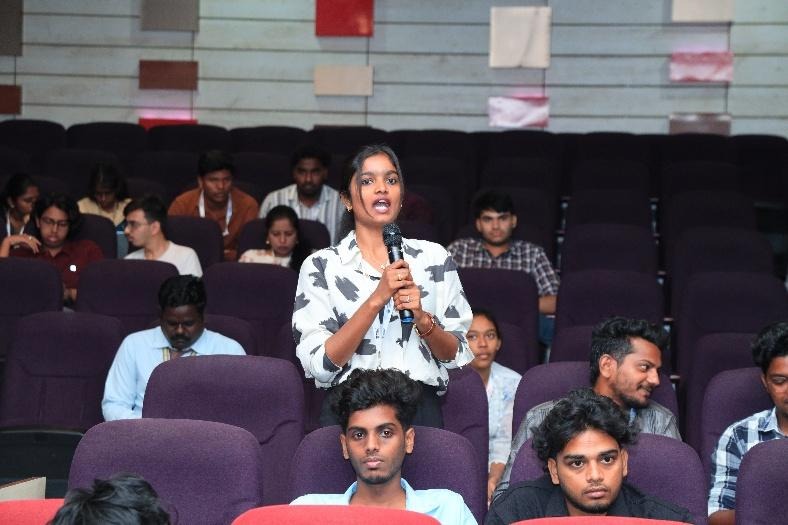
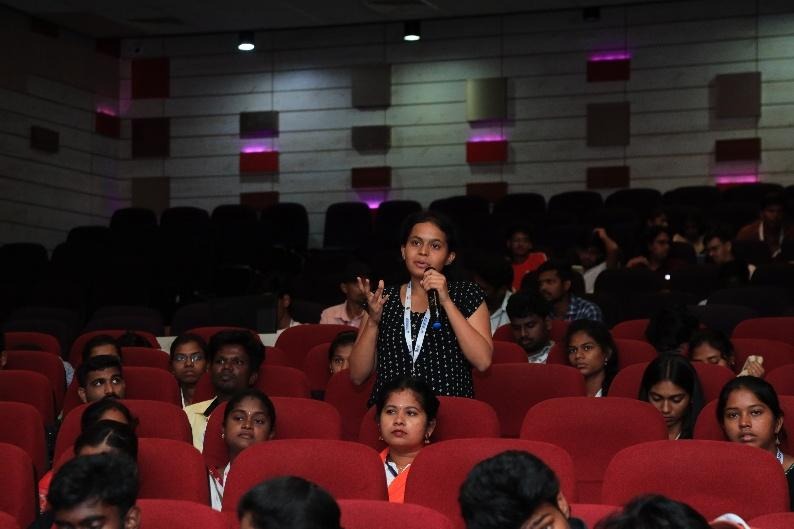
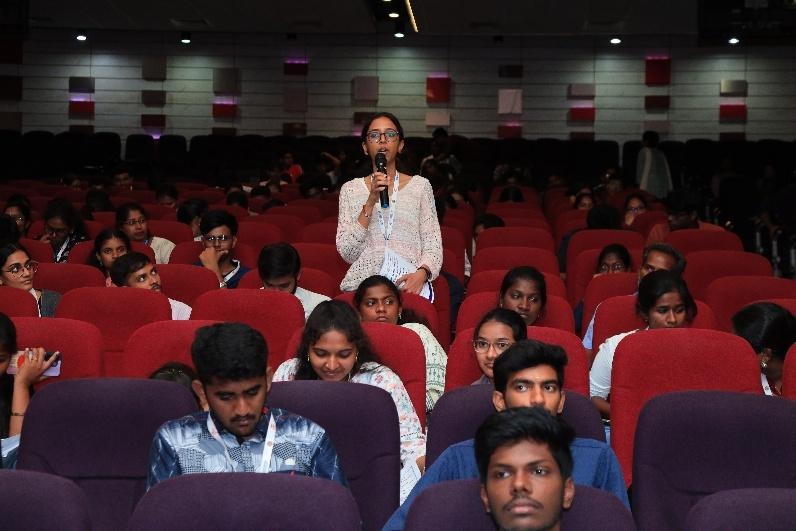
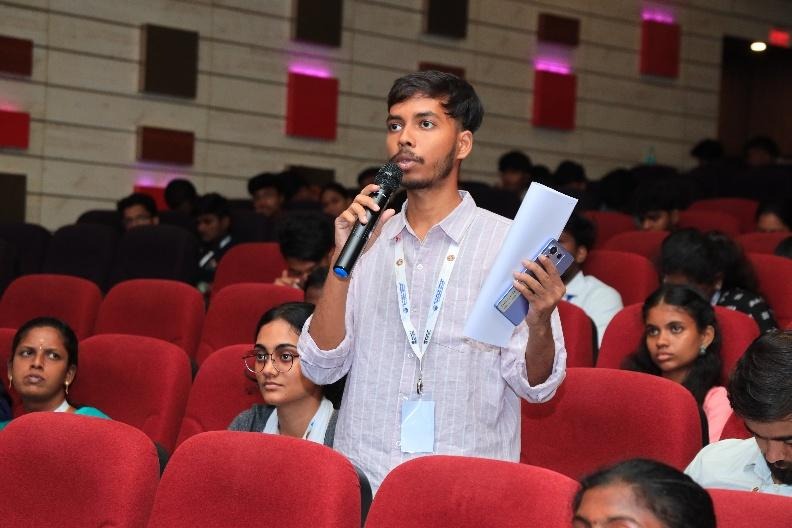
The session was facilitated by Dr. L. Martin, Associate Professor, Department of Mechanical Engineering, SMVEC, where participants presented their final business ideas and product pitches. Each team showcased their problem statement, solution, value proposition, business model, and revenue strategy. The session focused on improving presentation skills, storytelling, and clarity in communication. Participants received detailed feedback, helping them refine their ideas and enhance their confidence in pitching to potential investors.
Valedictory Session
The Bootcamp concluded with the Valedictory Session, marking the successful completion of the five-day program. Dignitaries addressed the gathering, appreciating the efforts of participants, trainers, and organizers. Certificates were distributed, and participants reflected on their learning journey, achievements, and experiences. The session celebrated innovation, collaboration, and the entrepreneurial spirit fostered throughout the Bootcamp, leaving participants motivated to pursue their ideas further.